Stardew Valley vs Animal Crossing: Which one should you pick for a slower pace of life?
Stardew Valley or Animal Crossing: New Horizons: how do you choose? Gameplay, platforms, languages, and multiplayer compared side by side.
It is 11.00 pm, the in-game clock ticks past 1.30 am, and you are still in the mines chipping away at one last rock. Your energy bar is completely empty, and any second now your character will pass out cold on the floor. Other players, meanwhile, are taking a gentle stroll along the beach on their island, because the shops have already closed for the night and there is always tomorrow. This article compares Stardew Valley and Animal Crossing: New Horizons—the two life-sim giants most frequently weighed up against each other: how the gameplay differs, which platforms and languages are available, and which type of player each game suits best.
To cut straight to the chase: if you want a goal-driven, bustling farming life, choose Stardew Valley; if you want a stress-free island getaway where you just log on for ten minutes a day, go for Animal Crossing. Both are brilliant, but they are built for very different people.
Stardew Valley: Days last just ten-odd minutes, and there is never enough time
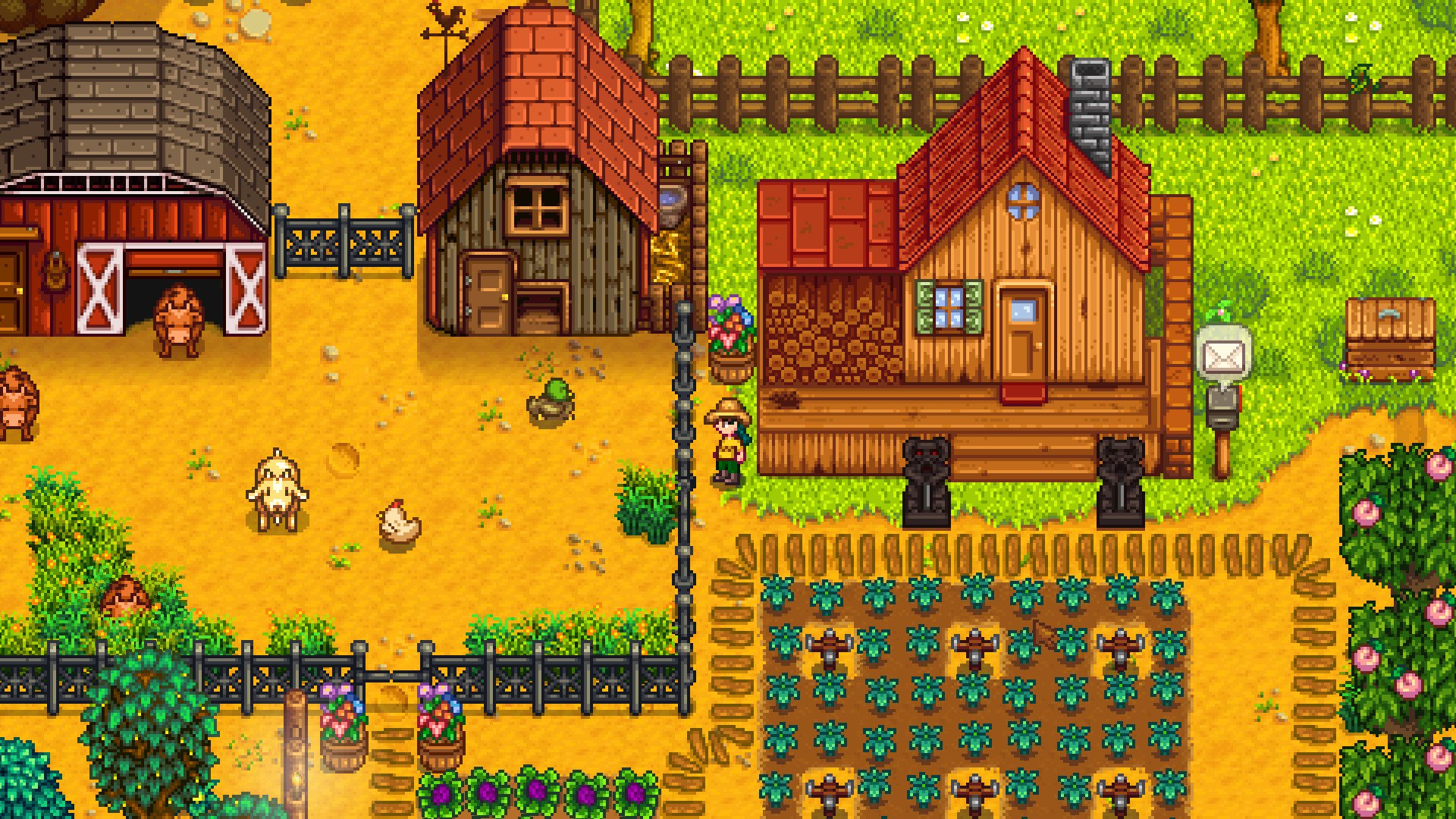
A day in Stardew Valley kicks off at 6.00 am, and in real time it is over in around ten to fifteen minutes. In that brief window, you have to water crops, harvest produce, feed your animals, pop into town to give gifts, and maybe venture into the mines to fight monsters and dig for ore, all while your stamina bar and the clock tick down together. Many players describe it as a 'just one more day' sort of game, because a fresh to-do list springs to mind every night before your head hits the pillow.
Its long-term objectives are crystal clear: restoring the Community Centre requires gathering whole sets of crops, fish, and minerals; delving deeper down the mine shafts brings combat and better gear; and the townsfolk each have their own storylines, leading to marriage once your friendship is high enough. Once you find your feet, you will realise that planning your farm layout, positioning sprinklers, and crunching the numbers on the most profitable crops are what make it truly impossible to put down.
The drawbacks stem from that very busyness. Early on, resources are tight and energy runs out fast, leaving some players feeling as though they are rushing through a packed schedule rather than having a relaxing time. In addition, Steam does not list Traditional Chinese, offering Simplified Chinese instead. ConcernedApe also announced in early November this year that version 1.7 will be the game's biggest update yet, currently slated for next year, meaning jumping in now is the perfect time to catch up.
Animal Crossing: New Horizons: Island time matches your watch
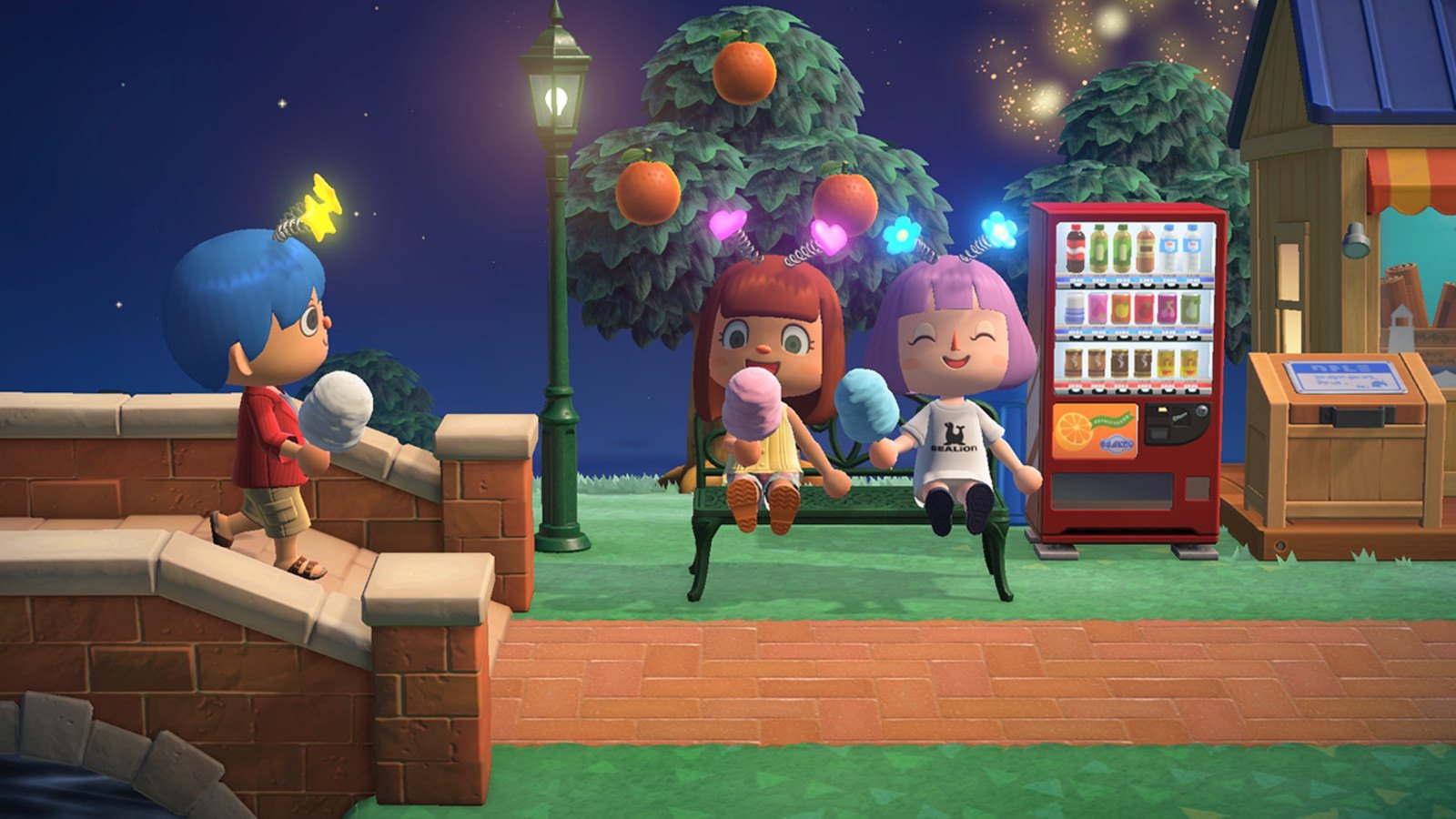
Time in Animal Crossing syncs directly with the real-world clock: if it is evening in real life, it is evening on your island; if it is December, snow will be falling. Building a house means waiting until the following morning for construction to finish, and planted flowers take several days to bloom, meaning the pace is built around popping on once a day to check in rather than pulling an all-nighter in one sitting.
Its heart lies in decorating and collecting: using furniture and terraforming tools to mould the entire island into your dream paradise, catching fish and bugs to complete your Critterpedia, and chatting with your animal neighbours. There is no stamina bar and no combat; the harshest penalty for failure is a bee sting. The Switch 2 edition and free 3.0 update released in January this year added even more facilities, including a holiday resort hotel and Dream Island.
The most common complaint from players is that each console can only support a single island, meaning family members sharing the same Switch are stuck living on the same piece of land. Furthermore, visiting friends online requires a paid Nintendo Switch Online subscription. If you need clear-cut goals when playing games, you might find yourself wondering 'what do I do now?' once you hit the mid-to-late game.
Platforms, languages, and multiplayer compared side by side
- Platforms: Stardew Valley is available on PC (Windows/Mac/Linux), PlayStation, Xbox, Switch, and mobile; Animal Crossing is exclusive to Switch and Switch 2.
- Languages: Stardew Valley supports 12 languages including Simplified Chinese, Japanese, English, and Korean (Steam does not list Traditional Chinese); Animal Crossing supports 11 languages including Traditional Chinese, Simplified Chinese, Japanese, English, and Korean.
- Multiplayer: Stardew Valley supports up to 8 players online on PC, up to 4 players on console, and up to 4 players in split-screen on a single machine; Animal Crossing supports up to 4 players locally on the same console, and up to 8 players via online or local wireless play (up to 12 players online on the Switch 2 edition).
- Pricing model: Stardew Valley is a one-off purchase (check current price), with all subsequent major updates included for free; Animal Crossing is a one-off purchase (check current price), has the paid expansion 'Happy Home Paradise', and requires a Nintendo Switch Online subscription for online play.
The co-op experience also feels entirely different between the two. In Stardew Valley, everyone runs the same farm together, with practical division of labour where someone tends the crops and someone else tackles the mines; Animal Crossing feels much more like popping round to a friend's house to hang out, fish together, take photos, and swap fruit.
Who is each game for?
Who Stardew Valley is for: players who enjoy planning and efficiency, relish turning an overgrown plot into a thriving, profitable farm, and want combat, story, and romance—or those who only have a computer or mobile phone. It is also brilliant for two or three friends to start a farm together and play through from spring right into year two.
Who Animal Crossing is for: players who simply want to unwind after work without being hounded by a ticking clock, love interior design, photography, and fashion, or already own a Switch and want to drop by the island each day alongside family or a partner. It is also remarkably accessible for those who rarely play video games.
Who might regret their choice: if you are after a completely stress-free experience but buy Stardew Valley, you might feel overwhelmed by a frantic daily routine during your first few weeks; if you crave a constant checklist of tasks but buy Animal Crossing, you might lose interest in loading it up after a month. If you can only pick one to begin with, our nod goes to Stardew Valley: it is on far more platforms, a single purchase delivers years of free updates, and once you have had your fill, you can decide whether it is worth buying a Switch for Animal Crossing.
If you are looking for more new releases with a gentler pace, take a look at our guide to New cosy games: 5 titles for unwinding after work this November.